
The Role of Cognitive Biases in Casino Gaming
Cognitive biases are mental shortcuts that can lead to irrational decision-making, often seen prominently in casino environments. Gamblers may experience biases such as the illusion of control, where they believe they can influence the outcome of games of chance. This belief can lead players to take unnecessary risks, thinking they can change their luck through specific behaviors or strategies. Understanding these cognitive biases is vital for both players and casinos, as they shape betting behaviors and the overall gaming experience. For example, while enjoying their time, some players may also look for real online poker as a means to further enhance their skills.

Another significant cognitive bias in casino gaming is the gambler’s fallacy, where players believe that past random events influence future outcomes. For instance, if a roulette wheel has landed on red several times in a row, a player might incorrectly assume that black is now “due.” This misunderstanding can encourage reckless betting and lead to significant losses. By recognizing these biases, players can develop more rational strategies that mitigate the impact of flawed thinking on their decisions.
The Influence of Emotion on Gambling Behavior
Emotions play a crucial role in gambling, as they can significantly affect how players engage with games. Excitement and adrenaline often drive players to chase losses or increase their bets, leading them to make impulsive decisions. The thrill of the game can overshadow rational thinking, prompting players to abandon strategies that may have been effective in calmer states. Emotional regulation is essential for successful casino gaming strategies, as it helps players maintain focus and make informed choices. The emotional high experienced when winning can be exhilarating.
Moreover, the emotional highs and lows of gambling create a unique psychological environment. Winning can generate feelings of euphoria, while losses can lead to frustration or despair. Understanding this emotional rollercoaster allows players to develop coping mechanisms to deal with the inevitable ups and downs of gambling. Strategies that emphasize emotional awareness and management can enhance overall gaming experiences and improve long-term decision-making.
The Importance of Reward Systems in Casinos
Casinos are designed to maximize player engagement, and one of the primary methods they employ is through reward systems. These systems tap into the human brain’s natural response to rewards, leveraging mechanisms such as jackpots, bonuses, and loyalty programs. The anticipation of rewards creates excitement and compels players to continue engaging with games, often leading them to play longer than they initially intended. Understanding these reward systems can help players set boundaries and make more strategic gaming decisions. Players tend to overlook the risks tied to potential rewards.
The psychological impact of these rewards extends beyond mere monetary gain. Social rewards, such as recognition from peers or the socialization that occurs in a casino environment, also play a significant role in why people are drawn to gambling. Players often find joy in communal experiences and shared celebrations, which enhances their overall connection to the gaming environment. By being aware of these dynamics, players can better navigate their motivations and the strategies they employ.
The Impact of Environment on Gambling Decisions
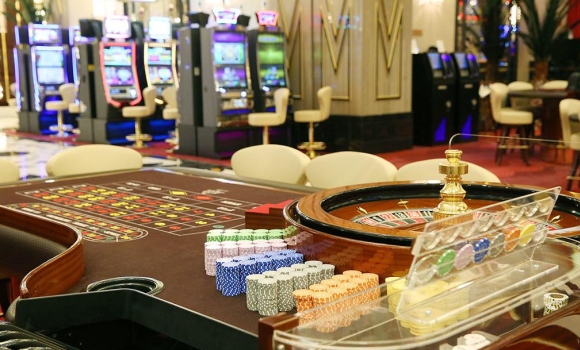
The casino environment is meticulously crafted to encourage spending and prolong play, influencing gambling decisions on a subconscious level. From lighting and sound effects to the arrangement of machines and tables, every detail is designed to stimulate excitement and comfort. Studies have shown that players often underestimate how much their environment affects their choices, leading to prolonged play and increased betting without sufficient awareness of their spending.
Additionally, the social atmosphere within a casino can have a profound effect on decision-making. Interaction with other players and the presence of staff can create a sense of camaraderie that enhances the overall experience. This social influence can pressure players to bet more or play longer, often overriding their better judgment. By acknowledging these environmental factors, players can develop strategies to ensure they make more conscious decisions based on their gaming objectives.
Empowering Informed Decision-Making Through Educational Resources
The exploration of psychological triggers in casino gaming not only serves to enhance individual gaming strategies but also highlights the importance of informed decision-making. Websites dedicated to investment insights and analysis can offer valuable resources for aspiring gamblers to educate themselves about the nuances of gaming behavior. By leveraging such educational platforms, players can empower themselves to approach casino games with a clearer understanding of the psychological factors at play.
Accessing articles, discussions, and tools related to the psychology of gambling can significantly enhance a player’s ability to navigate the complexities of gaming strategies. By fostering a community of informed individuals, these platforms can help gamblers make more educated decisions that align with their personal gaming goals. Ultimately, integrating psychological insights with sound strategies can lead to a more enriching and responsible gaming experience.