
Your driveway goes through a lot every year—sun, rain, snow, vehicle traffic, oil stains, and temperature changes. Over time, these elements slowly break down asphalt, making it brittle and vulnerable to cracking. That’s why driveway sealcoating is one of the smartest maintenance steps any homeowner can take. Whether you’re trying to preserve a newer driveway or bring life back to an aging surface, applying a high-quality asphalt driveway sealer can dramatically extend its lifespan.
And here’s the best part: sealcoating is not as complicated as many people think. With the correct information, you can confidently decide whether to hire a professional driveway sealing or take the DIY approach. As you explore how to seal driveway surfaces, you’ll discover that sealcoating does far more than make asphalt look clean and fresh—it adds absolute protection.
This guide breaks down the benefits of sealcoating your driveway, when to apply it, which products to look for, and why to choose skilled service providers.
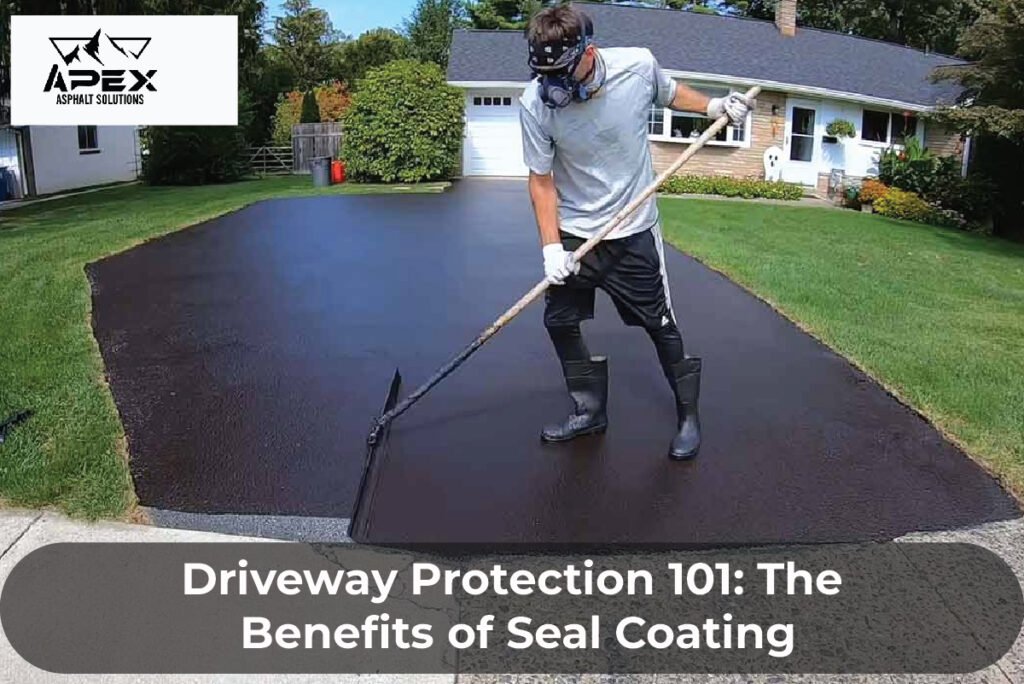
Why Seal Coating Matters More Than You Think
Most homeowners focus on mowing the lawn, cleaning gutters, or repainting the porch, but driveway sealing often gets overlooked. However, asphalt is one of the most vulnerable surfaces on your property. Without proper protection, it slowly oxidizes, fades, and dries out.
By applying a durable driveway sealant, you create a protective barrier that shields the asphalt from UV rays, rain, chemicals, and oil leaks. That sealed layer helps preserve flexibility, which is crucial because asphalt expands and contracts with temperature changes. Without this flexibility, cracks appear quickly.
Sealcoating also slows down oxidation. When asphalt turns gray, it’s not only losing color—it’s losing essential binders that keep the surface strong. A fresh coat of sealer restores that deep black finish and protects those binders from breaking down.
Extend the Life of Your Asphalt Surface
One of the most significant advantages of using the best driveway sealer is the prolonged life it gives your asphalt. When you protect the surface early, minor issues stay small. This prevents costly repairs such as crack filling, patching, or resurfacing.
Homeowners who sealcoat their driveways every two to three years often double or triple the lifespan of their pavement. It’s a long-term investment that saves you money and stress. Think of sealcoating as sunscreen for your driveway. You can skip it, but you’ll pay for it later.
Although cracks may still occur over time, sealed asphalt is far less likely to degrade quickly. Combining sealcoating with periodic crack repairs keeps your driveway durable for many years.
Improve Curb Appeal Instantly
A fresh layer of sealcoating driveway material does more than defend the surface—it enhances the entire look of your home. The rich black finish provides a smooth, clean appearance that increases curb appeal.
Whether you’re planning to sell your home or simply want it to look its best, a newly sealed driveway boosts first impressions. Even older driveways benefit from the visual upgrade, especially after minor cracks and imperfections have been filled.
Protection Against Oil, Gas, and Chemical Spills
Your driveway deals with more than just weather. Every day use brings oil drips, gasoline spills, brake fluid stains, and other chemicals from vehicle maintenance. Unsealed asphalt absorbs these contaminants quickly, breaking down the binding agents inside.
When you apply a high-quality asphalt driveway sealer, you prevent these fluids from penetrating the surface. Instead, they sit on top of the sealer, making cleanup far easier. A well-sealed driveway repels chemicals rather than absorbing them—something unprotected asphalt simply can’t do.
Even if you perform occasional DIY automotive work in your driveway, sealcoating prevents long-term damage that would otherwise weaken the asphalt.
Enhanced Weather Resistance All Year Long
Rain, snow, ice, and UV rays are asphalt’s biggest enemies. The freeze-thaw cycle in colder climates is especially damaging, causing water to seep into small cracks and expand when frozen. Over time, this leads to potholes and surface failures.
Sealcoating provides a weatherproof shield that keeps moisture out. That protective layer helps prevent cracking and erosion during winter and stops UV rays from breaking down asphalt in summer. For homeowners living in harsh climates, sealcoating is not optional—it’s essential.
Even during heavy rain or heat waves, a properly sealed driveway maintains its structural integrity longer than unsealed asphalt.
A Cost-Effective Maintenance Strategy
Many homeowners are surprised by how affordable driveway sealcoating is compared to major repairs or replacements. While resurfacing or repaving can cost thousands, sealcoating is a small investment with a high return.
The process is quick, cost-effective, and proven to reduce long-term asphalt damage. If you’re searching for driveway seal coating near me, remember that hiring professionals ensures even coverage, proper drying, and long-lasting results. DIY is an option, but a professional application usually provides smoother, more durable protection.
Besides, hiring a trusted company like Apex Asphalt Solutions helps you avoid common mistakes such as applying sealer too thickly or sealing at the wrong temperature.
DIY vs. Professional Driveway Sealing
If you’re looking into how to seal driveway surfaces yourself, understand that it’s possible, but it requires preparation. You must thoroughly clean the asphalt, repair cracks, and apply the sealer evenly. A single mistake—like using too much product or working in direct sunlight—can affect the final result.
Professional driveway sealing eliminates those risks. Experienced technicians use high-grade equipment, commercial sealants, and proper techniques to ensure smooth coverage. They also know the ideal conditions for applying the sealer, such as temperature, humidity, and curing time.
For most homeowners, professional service is the more innovative and more convenient choice. It guarantees quality and saves valuable time.
Final Thoughts
Sealcoating is one of the most valuable and cost-effective ways to protect your driveway. Whether you’re trying to extend its lifespan, enhance curb appeal, or prevent weather and chemical damage, applying a high-quality driveway sealant makes a noticeable difference. Regular maintenance, paired with periodic crack repairs, ensures your asphalt stays strong and attractive for years.
FAQs
1. How often should I sealcoat my driveway?
Most professionals recommend every 2–3 years. High-traffic driveways may need more frequent maintenance.
2. Can I sealcoat a brand-new driveway?
Usually, you must wait 6–12 months for the asphalt to cure before applying sealer.
3. What time of year is best for sealcoating?
Late spring through early fall works best when temperatures are between 50°F and 90°F.
4. Is DIY sealcoating worth it?
It can be, but professional driveway sealing gives you better coverage and durability.
5. How long does sealcoating take to dry?
Typically 24–48 hours, depending on temperature, humidity, and the type of sealer used.